AGP Executive Report
Last update: 2 days agoIn the past 12 hours, Mali-focused coverage has been dominated by renewed reporting on the security situation and the government’s response. Multiple outlets describe deadly attacks in central Mali attributed to al-Qaeda-linked insurgents, including reports of around 50 people killed in assaults on villages and security positions in Mopti. Reuters reporting also frames these attacks as among the deadliest since al-Qaeda-linked JNIM fighters reportedly teamed up with the Tuareg-dominated Azawad Liberation Front for a coordinated assault in late April, with fighting continuing sporadically since then.
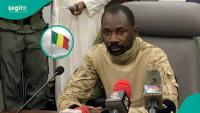
Alongside the violence, the most concrete political/military development in the last 12 hours is Mali’s leadership reshuffle in the armed forces. Coverage says junta leader Assimi Goïta appointed Elisée Jean Dao as Chief of the General Staff following the April attacks and subsequent arrests/abductions linked to alleged destabilisation plots. The reporting ties the reshuffle to the army’s claim of “solid evidence” that some military personnel were involved in the planning, coordination, and execution of the April offensive, and it names opposition figures said to have been abducted, including lawyer Mountaga Tall.
There is also continuity in the broader narrative from earlier in the week: several articles and analyses emphasize that the April 25 attacks were coordinated and struck multiple major locations, including Bamako and key military areas, and they discuss how different armed groups’ cooperation is being interpreted. Additional background coverage also points to ongoing concerns about governance and security fragility in Mali, including claims of investigations into soldiers’ alleged links to jihadist attacks and the wider Sahel context. However, within the provided evidence, the latest 12-hour window is where the clearest “new” developments appear—deadly central Mali attacks and the appointment of a new top army chief.
Finally, the last 12 hours include regional spillover and information-control themes that intersect with Mali’s crisis. One report says Moroccan truck drivers targeted in Mali were safe after visits from Moroccan officials, while another reports that Burkina Faso banned a French TV channel (TV5 Monde) over coverage of Mali-related attacks—an example of how the conflict is shaping media and cross-border perceptions. Separately, Afrobarometer survey coverage in the same period highlights that while many Africans support the media’s watchdog role, Mali is singled out as a case where a large minority favors government control over what media can publish—an indicator of the political environment surrounding security reporting.
Note: AI-generated summary based on news headlines, with neutral sources weighted more heavily to reduce bias.